

Rio Mamiá Project: Amazon Preservation and Social Development
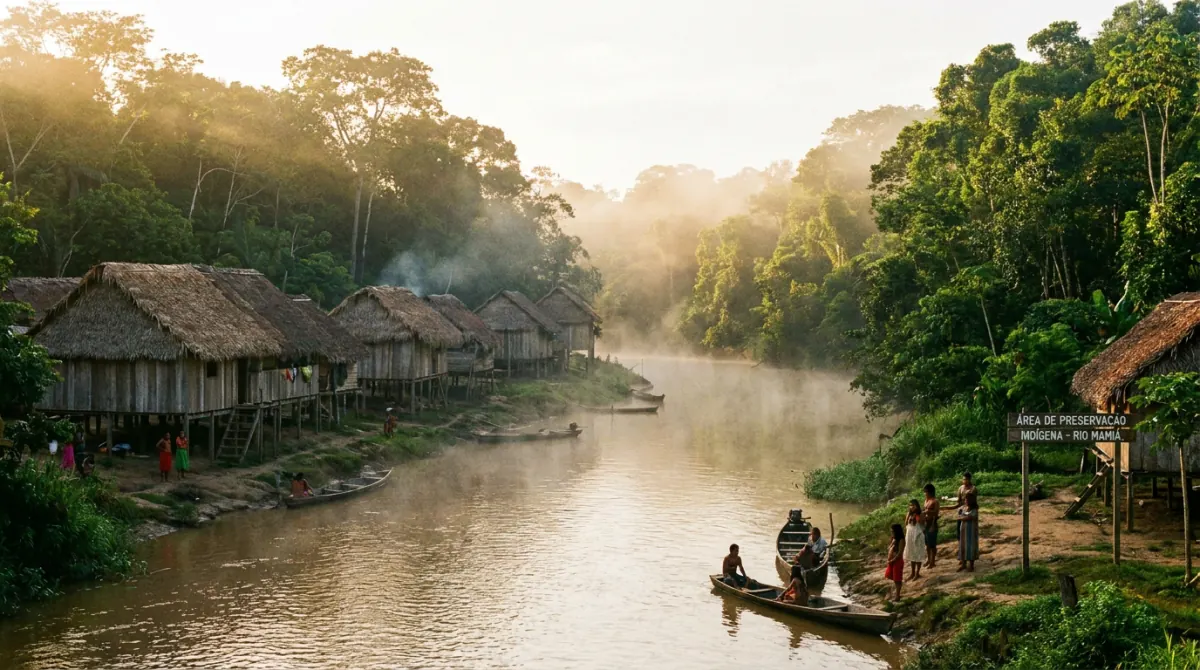
The Rio Mamiá Project is one of the most emblematic examples of how forest conservation can go hand in hand with social development in the Amazon. Located in the state of Amazonas, in a region of primary tropical forest threatened by deforestation, illegal mining, and extraction, the project protects thousands of hectares of forest while generating income for riverside communities.
The Context
The Amazon harbors the planet's largest biodiversity reserve and functions as one of the world's main carbon sinks. But the communities living in the forest have historically faced institutional abandonment, lack of access to basic services, and economic pressures that often push them towards predatory activities. The challenge is to transform the standing forest into a source of dignified income.
How the Project Works
The Rio Mamiá project uses the REDD+ (Reducing Emissions from Deforestation and Forest Degradation) methodology, verified by international standards such as VERRA. For every ton of CO₂ that is not emitted thanks to active forest conservation, carbon credits are generated — which are then sold to companies that want to offset their emissions.
Social Co-benefits
A significant part of the project's revenue is reinvested in local communities through:
- Environmental and formal education for children and young people
- Basic health with brigades and regular services
- Productive training in sustainable forest management, extractive activities of açaí, Brazil nuts, and vegetable oils
- Community infrastructure — solar energy, communication, sanitation
Preserved Biodiversity
Fauna and flora monitoring reveals the presence of jaguars, manatees, giant otters, dozens of endemic bird species, and rare orchids. Every conserved hectare is also a victory for global biodiversity.
Why This Model Matters
The Rio Mamiá Project demonstrates that high-integrity carbon credits — combining climate, biodiversity, and social impact — generate superior market value and offer purchasing companies a real narrative for their ESG communications. Domani sells credits from Rio Mamiá and other Amazonian projects selected with the same quality standard.