

How the carbon market can accelerate decarbonization
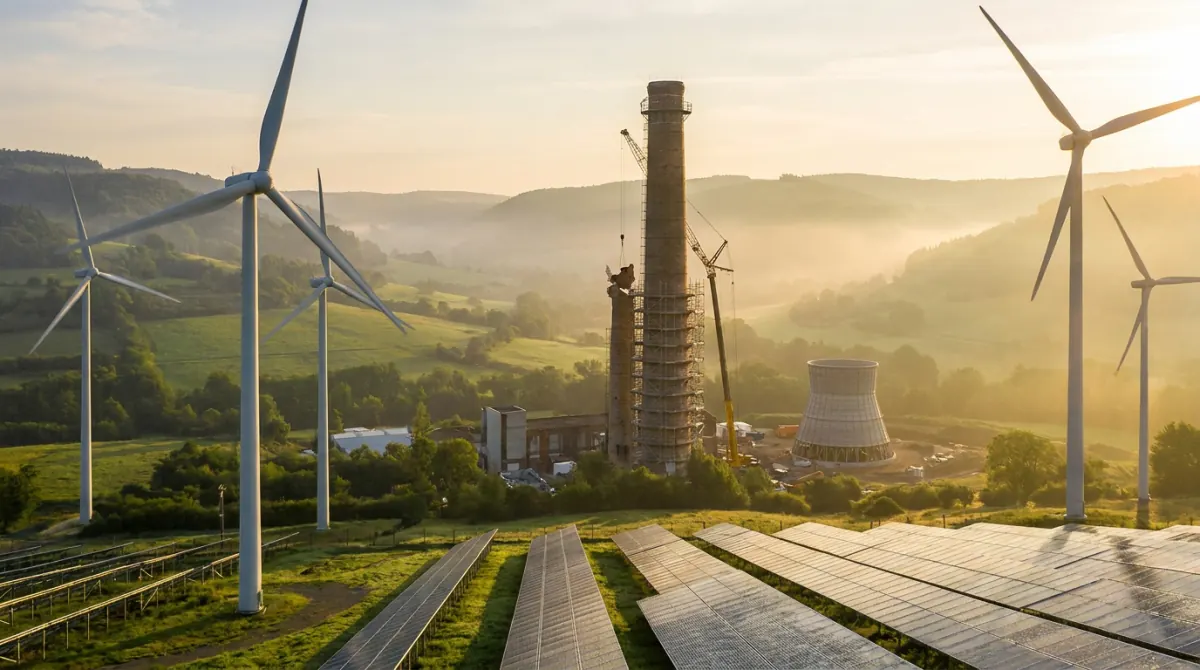
The carbon market is, today, one of the most relevant tools to accelerate the transition to a low-carbon economy. By pricing the equivalent ton of CO₂, it transforms an environmental externality into a clear economic signal: polluting costs, reducing generates value.
Regulated market vs. voluntary market
- The regulated market is defined by governments, which establish emission caps (cap-and-trade) or carbon taxes.
- The voluntary market is where companies purchase credits on their own initiative — to neutralize residual emissions, meet ESG goals, or communicate climate leadership.
How it accelerates decarbonization
- Creates financial incentive for reduction, removal, and conservation projects that would otherwise not be viable.
- Directs capital towards clean technologies, ecological restoration, and nature-based solutions.
- Allows hard-to-abate sectors (cement, steel, aviation) to offset emissions while developing their own technological routes.
- Transfers resources from developed countries to projects in emerging economies — relevant for Brazil, which has a natural advantage in forest projects.
Brazil at the center of the game
With Law 15.042/2024 and the Brazilian Emissions Trading System (SBCE), the country enters the new era of the regulated market. Companies with emissions above 25,000 tCO₂e/year will be required to participate — adding this to the potential for credit generation via REDD+, restoration, and renewable energy, Brazil has everything to become a global protagonist.
What your company should do
The first step is a complete GHG inventory. Without measuring, there is no management. This is followed by defining targets, an internal reduction plan, and a strategy for using credits for residual emissions. Domani supports companies throughout this journey — from diagnosis to commercialization.